
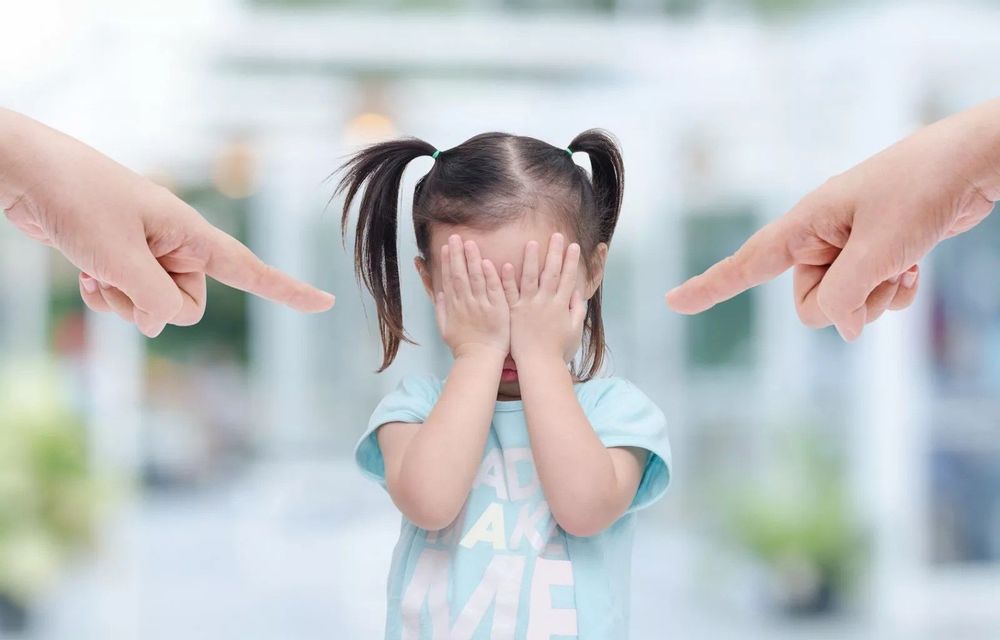
I cooked somsa for lunch. I also caught up with my upstairs neighbor. The bride-to-be welcomed me with an open face, greeted me and said, "Thank you, sister, please come home" and took the plate from my hand. The bride went inside. Then I noticed two children who were leaning against the wall of the corridor of the house and staring at me with their eyes wide with fear. The eldest of them, around 4-5 years old, took two steps towards me and said: "Didn't you come to fight and shout at us? "You won't hand me over to the police, they won't lock me up, won't they punish me?", he asked. I didn't know how to answer this unexpected question. Then: "My child, why am I taking you to the police?" They don't take away children, but they protect them from the bad ones, they don't punish the innocent ones. Then "Do you scare the children with the police?" I asked. "No, sister, the children of my aunt came to our house that day. They grew up in the yard, we have a house, and then when a child joins a child, it creates a riot. Hearing their commotion, our next-door neighbor came out and threatened the children, saying: "If you make a commotion, I will call the police and they will punish you." "Since then, if my elder knocks on the door, he will stop thinking that the police have come," he said.
You know, the above situation reminded us of the times when we got too excited when we were children, adults called us to order and scared us by saying, "Here, the police are coming." We were really afraid of the "militia" then. Are the officers of internal affairs really such scary people? As we grew older, we realized that they are human beings like us, that they serve us only for good as public servants. However, unfortunately, it is still a "tradition" to scare children with the "police".
Today, there is a lot of talk about the positive and negative aspects of social networks. However, it is also true that the news distributed in them and some situations in everyday life encourage people to think and observe. We must also recognize that it serves as a mirror to others and helps to eliminate some of the evils in our society. The above situation is actually written in this sense. Because the joy of a young child is a world. It is up to his parents and relatives to restrain him properly. There is a proverb in our people: "One child has seven neighboring parents." This proverb also does not support the threat of a neighbor who is fed up with children's riots and says, "I will call the police."
A valid question arises here. Isn't it wrong to suppress the joy of children by causing something or someone, or more precisely, to scare them? Isn't it better to pay attention to the child's inner world and interests, to direct his inner enthusiasm and form his views on life by giving him to his favorite activities and sports? Why should we immediately stop them by saying "we will hand them over to the police"?
Children are naturally gullible. Have you ever wondered how children who grow up prejudiced against law enforcement officers will later react to them? Then you can say that they are not embodied in the imagination of children as punishers? After all, knowledge and education received in childhood is a pattern carved in stone. Doesn't this destroy the young generation's understanding of law and order, legal norms, and laws? That's the thought-provoking aspect of the topic.
Times have changed today. Unique new methods of education are helping the growing generations join the ranks of the world's intellectual potential youth. Therefore, the "method" of raising children by threatening them with "I will go to the police" has become outdated in every way. This is a wrong solution in education. You polish your children's high spirits as skillfully as a potter molds clay, so that their minds grow up pure. He should recognize the employees of the internal affairs bodies as civil servants who ensure peace and order in the society and the rule of law, not punishers. Then, among them, the employees of internal affairs bodies with high enthusiasm will grow.
Gulnoza TURGUNBOYEVA.